Research
My research centers on multimodal representation learning, domain generalization, and foundation models aimed at broad, adaptable intelligence.
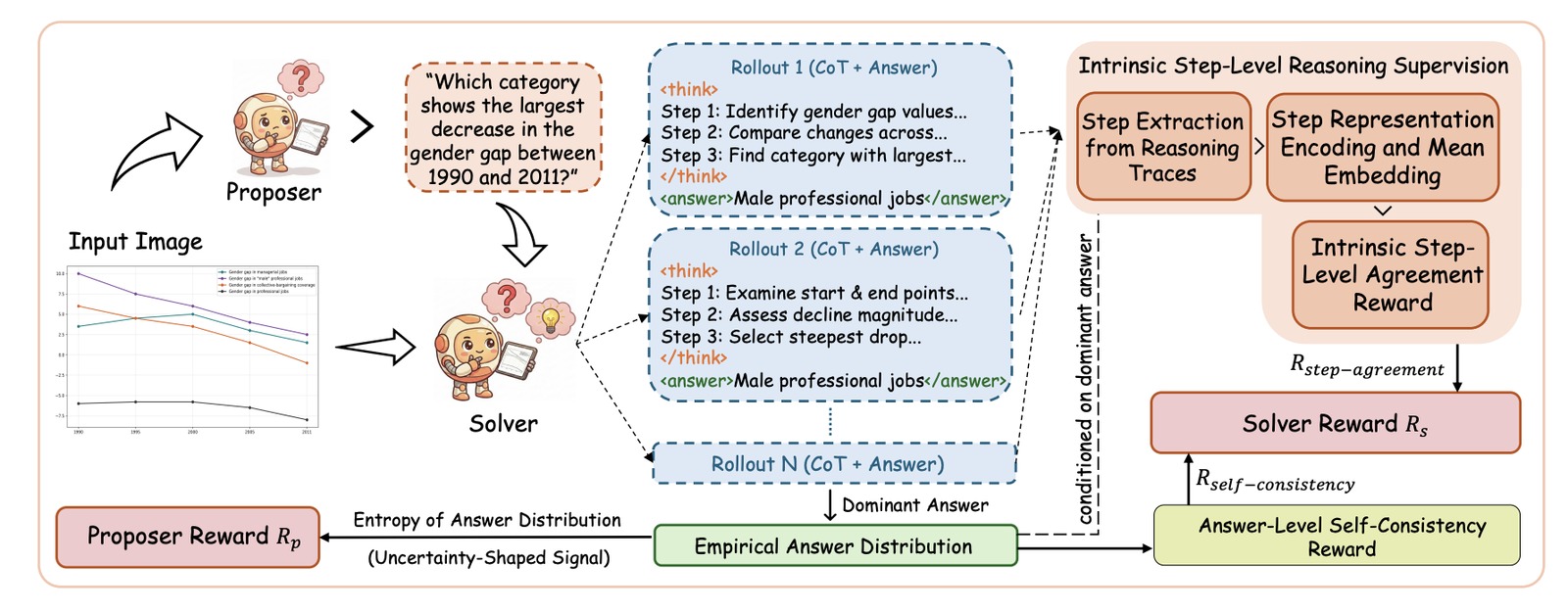
iReasoner: Trajectory-Aware Self-Evolving Reasoning for Large Multimodal Models
Meghana Sunil
ACL 2026 (Findings)
Supervising how a model reasons, not just what it answers: trajectory-aware intrinsic rewards let multimodal models self-evolve their chain-of-thought without external labels or verifiers.
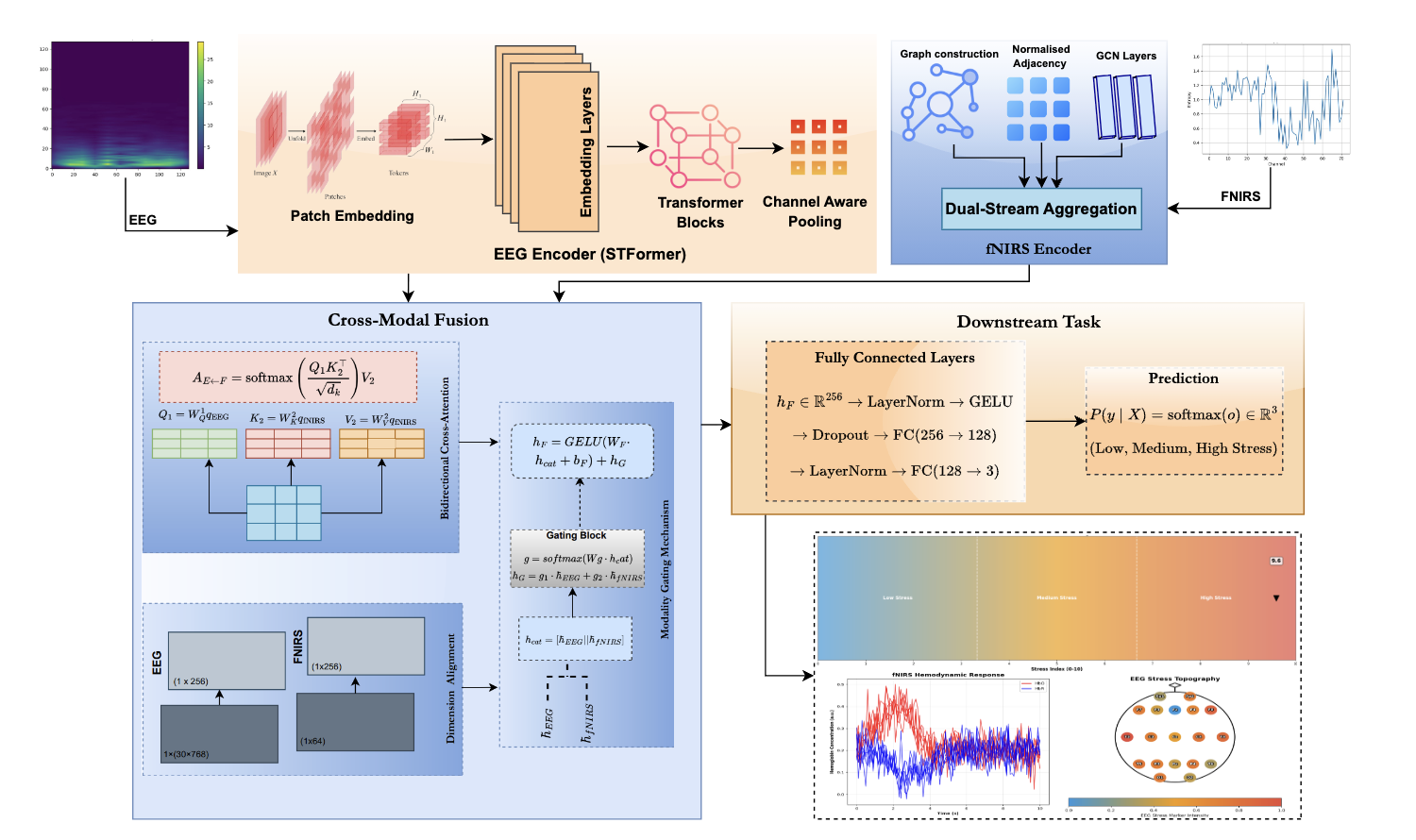
Graph-Guided Cross-Modal Representation Learning of EEG–fNIRS via Spatio-Temporal Transformers for Stress Analysis
Meghana Sunil
Submitted: Computer Methods and Programs in Biomedicine
Cross-modal stress classification benefits from explicitly modeling EEG–fNIRS structural dependencies, where graph-guided fusion yields more reliable spatio-temporal representations.
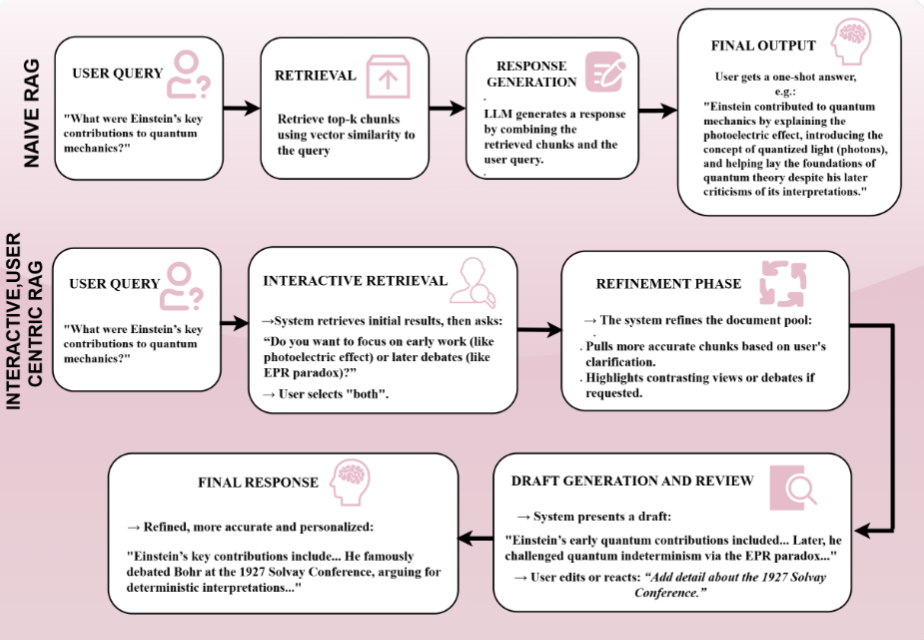
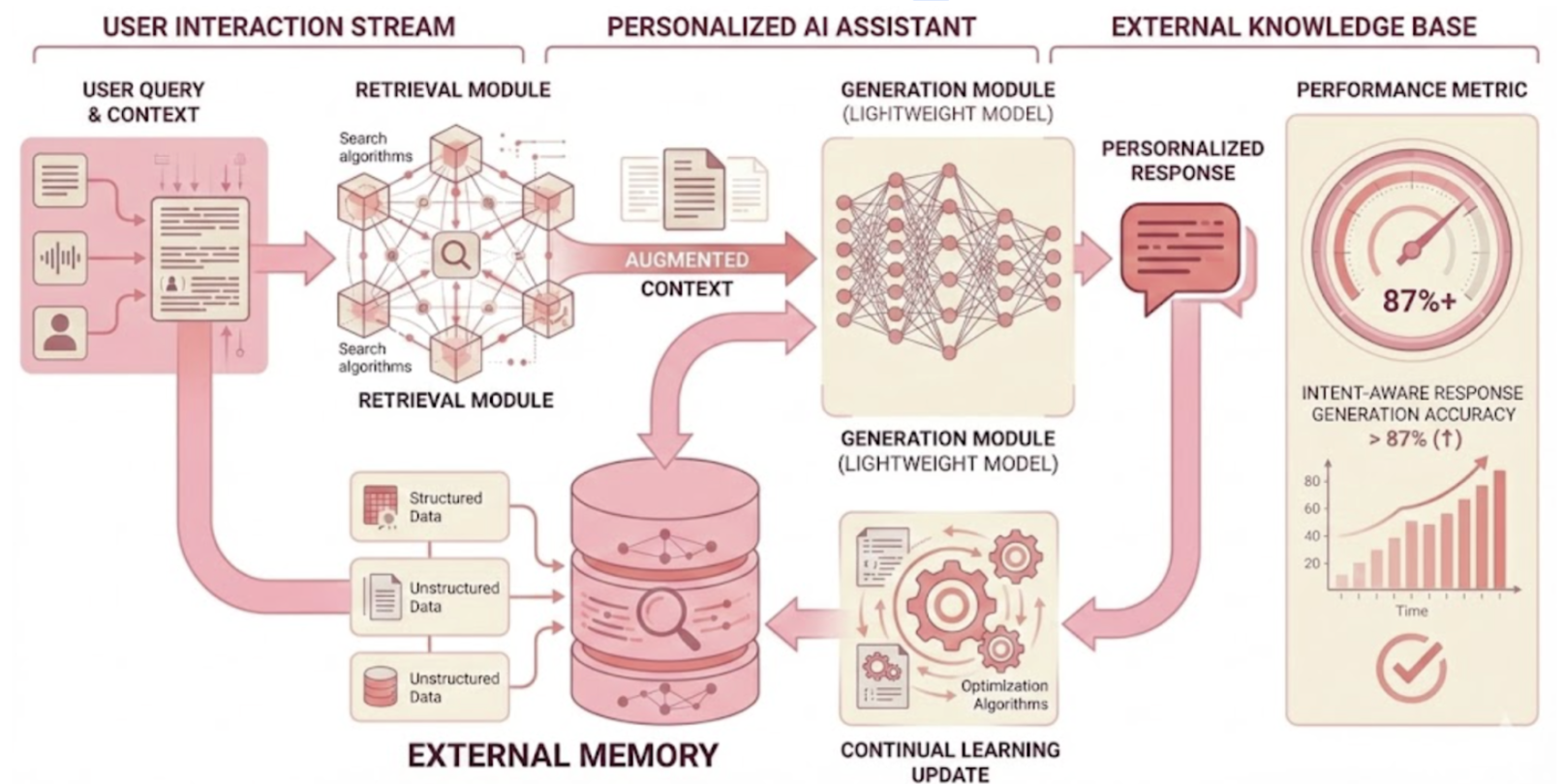
Rethinking Knowledge Retrieval for Generation: A Survey on RAG Architectures and Applications
Meghana Sunil
Submitted: Artificial Intelligence Review
A systematic, comprehensive survey of RAG methods characterized through a four-tier architectural taxonomy, clarifying how retrieval design choices shape downstream generation behavior across applications.
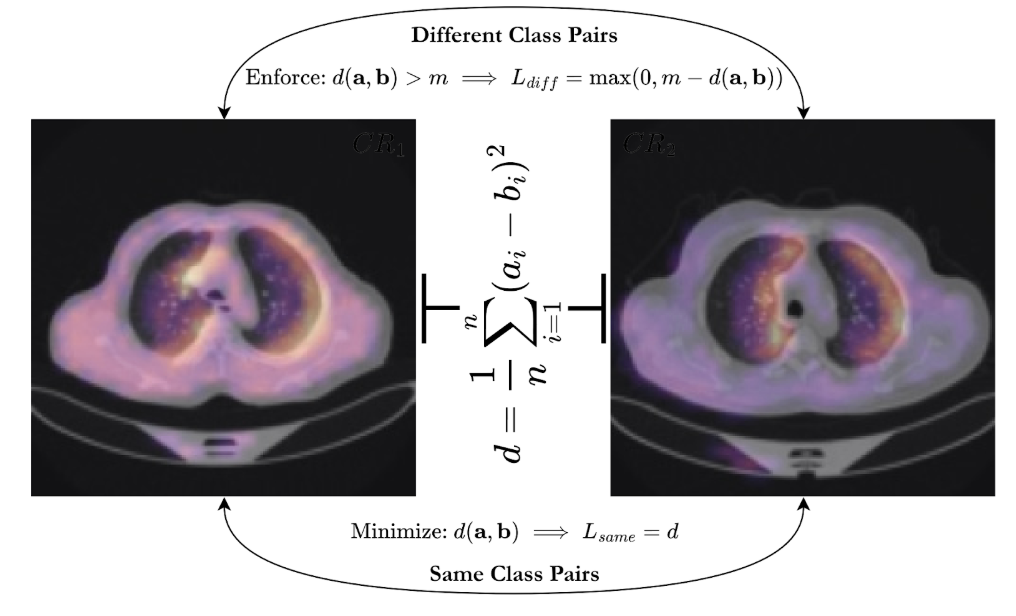
Encouraging Discriminative Attention Through Contrastive Explainability Learning for Lung Cancer Diagnosis
Meghana Sunil
IEEE Access
Enforcing contrastive constraints on attention maps improves both classification performance and attribution consistency, showing that explanation-guided objectives can regulate feature selection.
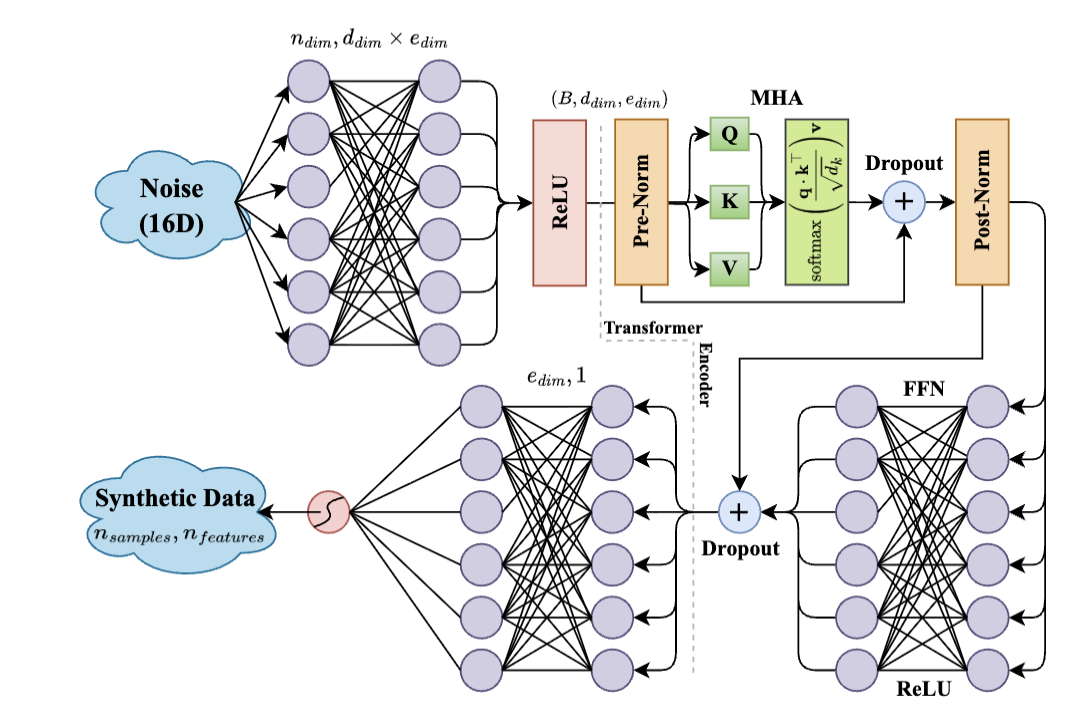
Self-Attentive Quantile GAN with Causally Grounded Machine Learning for Vocal Biomarker Discovery in Parkinson's Disease Detection
Meghana Sunil
IEEE Access
Modeling vocal biomarkers through causal priors and quantile-based generative features enhances sensitivity to disease-relevant variations while maintaining interpretability.

Benchmarking Semantic Segmentation Approaches for Polyp and Lesion Detection in Medical Imaging
Meghana Sunil
ICERCS 2024
A controlled comparison of segmentation architectures for polyp and lesion detection, isolating which design choices actually transfer across medical imaging datasets.
[Paper]